Blog
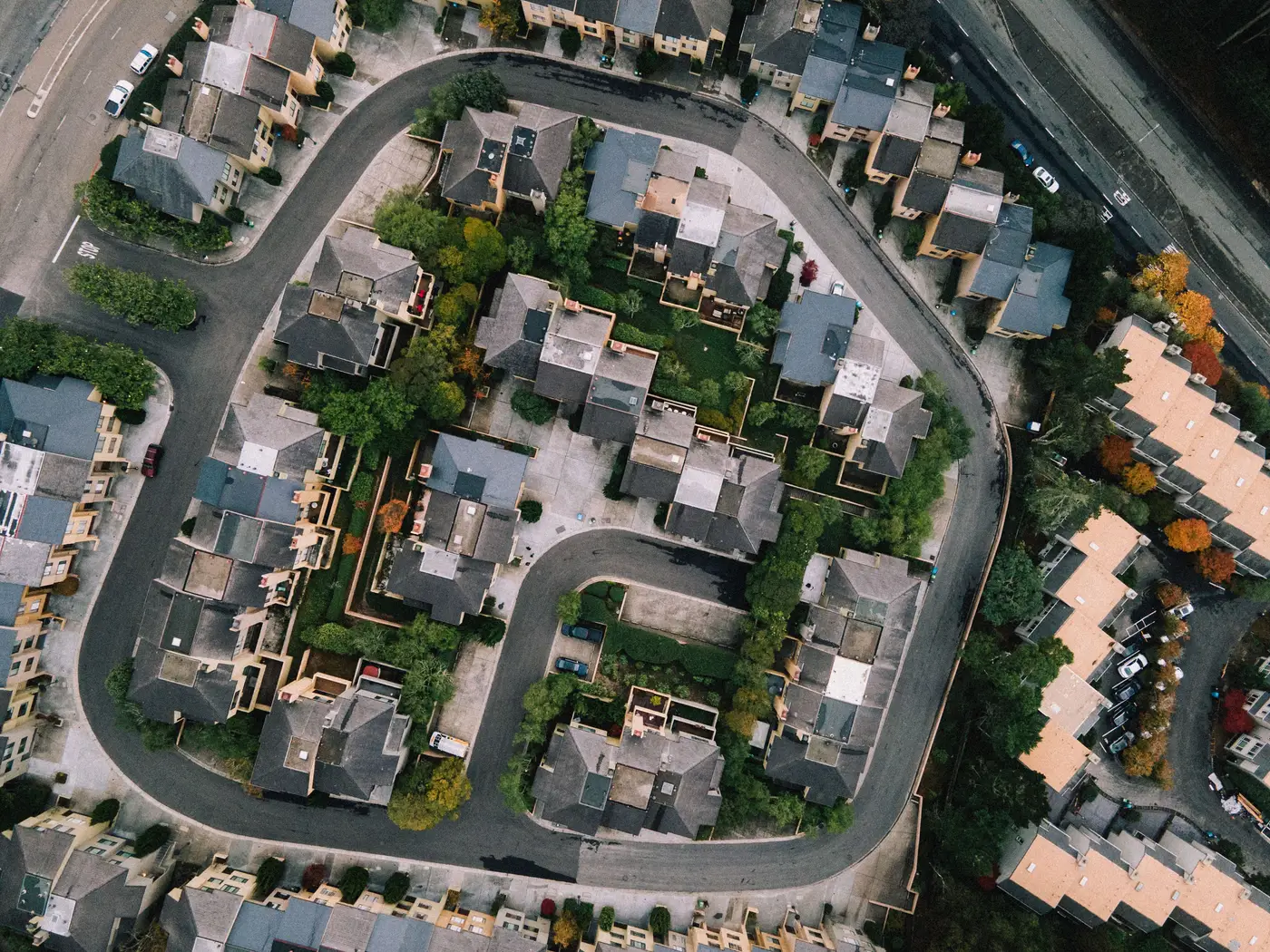 Ecological fallacy vs. individual exposure misclassification
Two distinct biases trip up cohort studies in air pollution epidemiology. How ecological fallacy and exposure misclassification differ, and why it matters.
 Field notes: the cohort that outlived three satellite missions
A field-notes reflection on keeping exposure estimates consistent across a cohort study that has outlasted Terra, Aqua, and VIIRS.
 CMAQ output vs satellite-derived PM2.5 for cohort exposure assignment
CMAQ output or satellite-derived PM2.5 for cohort exposure assignment: what each input gives you, where hybrid models fit, and what to decide first.
 How to validate satellite-derived exposure estimates against personal monitors
A field guide to building a personal-monitor validation subset, choosing the right regression, and reading error structure in a PM2.5 cohort.
 The week our geocoding vendor returned a parking lot for twenty participants
A batch geocode run quietly pinned twenty cohort addresses to a strip-mall parking lot, and nobody noticed until the exposure QA pass.
- Geocoding cohort addresses for satellite-based exposure linkage
A practical walkthrough of geocoding cohort addresses, scoring match quality, and carrying that into a daily exposure assignment workflow.
- Assigning trimester-specific exposure windows in a birth cohort study
How to set trimester cutoffs, handle preterm birth and dating method, and match gestational windows to a daily PM2.5 surface for cohort exposure estimates.
 PM2.5 vs NO2 vs ozone: picking a pollutant for a respiratory cohort
Choosing between PM2.5, NO2, and ozone for a respiratory cohort study, and when a multi-pollutant exposure model is worth the added complexity.
- Field notes: the week one monitor had to speak for an entire county
A field-notes look at what happens to exposure estimates when a county's one reference monitor gets overwhelmed during a heavy wildfire smoke week.
 The modifiable areal unit problem in air pollution exposure assessment
MAUP distorts pollution-health estimates when exposure is assigned by zone instead of address. How the scale and zonation effects work, and what shrinks them.
- Berkson vs classical measurement error in air pollution exposure assignment
How Berkson and classical measurement error differ in air pollution exposure assignment, and why the distinction changes bias versus precision in your model.
- Handling residential mobility when assigning exposure in a cohort
A practical approach to address history, person-time weighting, and exposure assignment for cohort participants who move during follow-up.
- How to choose a lag structure for air pollution and health outcome analysis
A practical look at picking lag windows for pollution-health analysis, from single-day lags to distributed lag models.
- What buffer radius to use for satellite PM2.5 exposure assignment
How to pick a buffer radius for satellite PM2.5 exposure assignment in a cohort study, and why resolution should drive the decision.
- How to assign address-level exposure in a cohort study
A practical look at assigning PM2.5 exposure to geocoded addresses in cohort studies, including how to handle residential history over follow-up.
- How to handle missing satellite AOD data from cloud cover
How environmental epidemiologists handle cloud-masked gaps in satellite AOD retrievals, and why the missing days aren't random.
- Land use regression vs. satellite downscaling for PM2.5 exposure assignment
A comparison of LUR exposure models and satellite-based exposure assessment for PM2.5, and what each gives you at the participant level.
- Nearest fixed monitor exposure misclassification: what it does to a cohort study
How assigning PM2.5 from the nearest EPA monitor biases cohort exposure estimates, and why monitor sparsity makes it worse in rural or peri-urban strata.